Non-Invasive Blood Pressure Watches: Accuracy Check
As an Amazon Associate I earn from qualifying purchases.
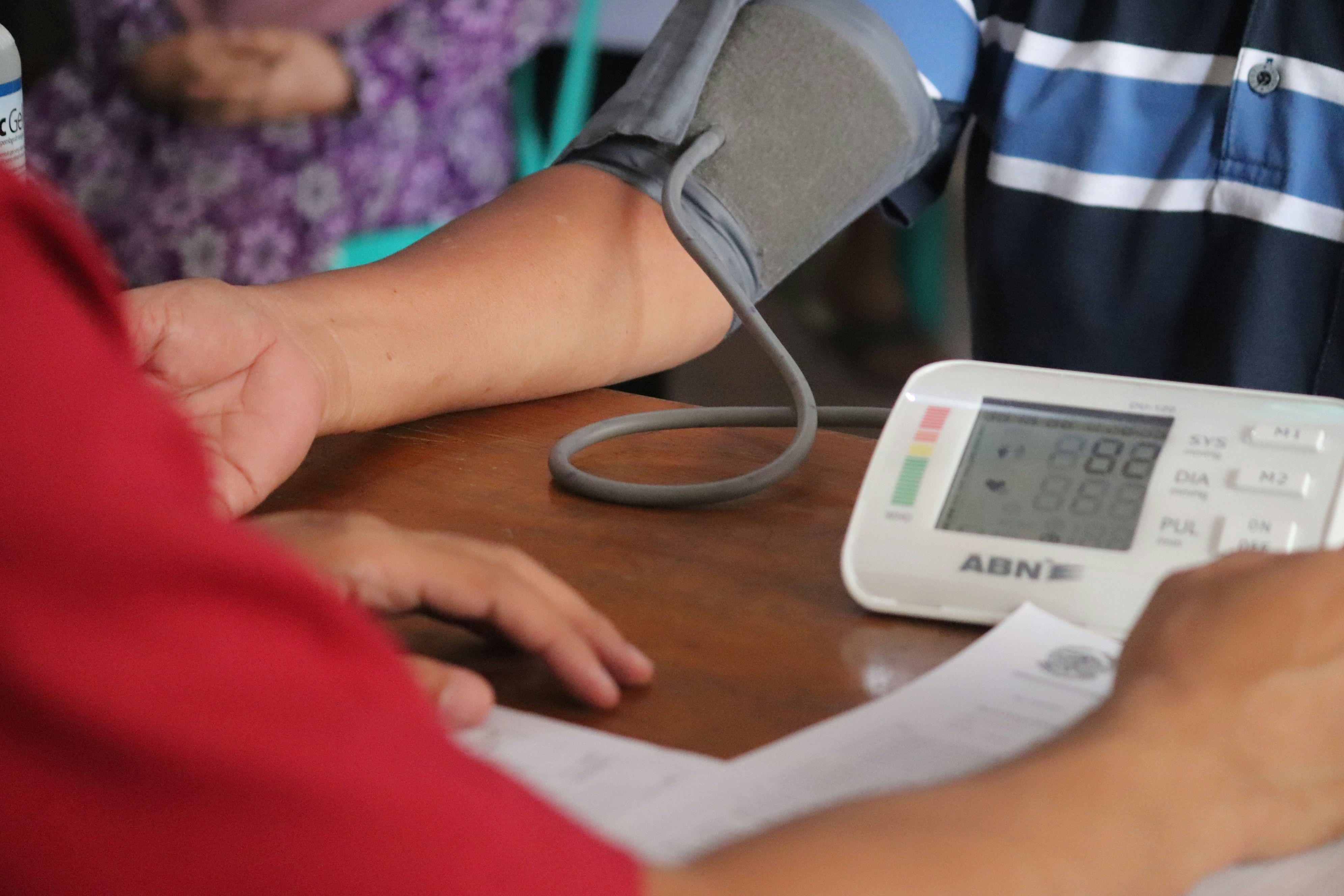
Introduction to Non-Invasive Blood Pressure Monitoring
Non-invasive blood pressure (BP) monitoring has evolved significantly with advancements in technology, particularly through the introduction of wearable devices such as blood pressure watches. These innovative gadgets utilize optical technologies and advanced algorithms to measure and monitor blood pressure levels without requiring traditional cuff-based methods. This approach presents an appealing alternative, particularly for those who seek convenience and ease in personal health monitoring.
The fundamental principle behind non-invasive blood pressure monitoring in wearable devices involves the detection of changes in blood volume within the vessels, commonly using photoplethysmography. This optical measurement technique captures blood flow dynamics, enabling accurate estimations of systolic and diastolic pressure. Unlike conventional methods that necessitate inflating cuffs and may evoke discomfort, blood pressure watches allow continuous monitoring, empowering users to track their health patterns seamlessly.
The convenience of these devices is one of their most significant advantages. Individuals can wear blood pressure watches throughout their daily activities, providing real-time readings and insights into their cardiovascular health. This capacity for continuous monitoring is particularly beneficial for those managing chronic conditions like hypertension, as it eliminates the need for multiple visits to healthcare practitioners. Additionally, this technology enables users to identify trends in their blood pressure over time, fostering proactive health management.
In summary, non-invasive blood pressure monitoring technology represented by wearable devices like blood pressure watches has transformed how individuals approach their health. By prioritizing user convenience and comfort, these devices not only simplify the monitoring process but also encourage consistent engagement with personal health data. As technology continues to advance, the accuracy and functionality of these devices are expected to improve, making them even more valuable for everyday health management.
How Blood Pressure Watches Work
Non-invasive blood pressure watches employ advanced sensor technologies to measure blood pressure without needing invasive procedures. The predominant methods employed in these devices include photoplethysmography and oscillometry.
Photoplethysmography (PPG) is a technique that utilizes light to detect blood volume changes in microvascular tissues. This method involves illuminating the skin with a light source, typically a light-emitting diode (LED), and measuring the amount of light that is either absorbed or reflected by the blood in the vessels beneath the skin. The changes in light absorption correspond with the pulsatile flow of blood, which provides valuable data about heart rate and, indirectly, blood pressure. PPG is particularly effective in non-invasive devices like blood pressure watches, as it allows continuous monitoring without discomfort.
On the other hand, oscillometry is another widely used technique in measuring blood pressure. This method detects pressure oscillations in the cuff of the watch as the blood flows through the arteries during and after a measurement. The oscillometric method captures these oscillations to derive systolic and diastolic blood pressure readings. Unlike traditional sphygmomanometry, which relies on a stethoscope and trained personnel, oscillometric devices can automatically analyze these waveforms and calculate the blood pressure values.
Calibration is crucial to ensure accuracy in readings from blood pressure watches. Regular calibration against a standard blood pressure monitor is necessary to account for variations in sensor performance over time. Additionally, several factors can influence the accuracy of these readings, such as movement, positioning of the wrist, and even ambient temperature. Hence, users are encouraged to follow the manufacturer’s guidelines for optimal use, including the recommended positioning and conditions under which to take measurements, to achieve reliable results.
Evaluating the Accuracy of Blood Pressure Watches
The advent of non-invasive blood pressure watches has garnered significant attention among health-conscious individuals seeking to monitor their cardiovascular health conveniently. Recent studies have sought to determine the accuracy of these wearable devices by comparing their readings with traditional sphygmomanometer measurements, the gold standard in blood pressure assessment.
Research has indicated that while these watches provide a user-friendly experience, there can be substantial discrepancies between their readings and those obtained through clinical modalities. A systematic review conducted by health researchers demonstrated that some non-invasive blood pressure watches deviated from the standard measurements by as much as 10-20 mmHg in systolic and 5-15 mmHg in diastolic pressures. These variances raise concerns about the reliability of such devices, particularly for users who may depend on them for daily health monitoring and medication management.
Further, factors such as wrist size, watch placement, and even user movement during measurement can contribute to inaccuracies. Studies have shown that optimal usage conditions can yield more reliable results, yet these ideal conditions are not always achievable in practical settings. Consequently, users are advised to interpret their results cautiously, especially if they exhibit patterns that suggest hypertension or hypotension.
Healthcare professionals recommend that individuals consider periodic comparisons of their blood pressure watch readings with clinically obtained values to ensure accuracy. This practice not only validates the performance of the device but also reinforces the importance of professional oversight in interpreting health data. As non-invasive blood pressure watches continue to evolve, ongoing validation studies will be crucial in establishing their efficacy and accuracy in real-world applications.
Conclusion and Future of Non-Invasive Blood Pressure Technology
Non-invasive blood pressure monitoring has transformed the way individuals manage their health, offering convenience and accessibility. As outlined in previous sections, technologies employed in wearable blood pressure monitors, such as photoplethysmography and oscillometric methods, have made it possible to track blood pressure with ease. One of the significant benefits of these devices is their ability to provide real-time data, enabling users to make timely decisions regarding their health management. Furthermore, the portability of these devices encourages regular monitoring, which can lead to better health outcomes.
However, while the advantages of non-invasive blood pressure technology are clear, limitations remain. The accuracy of wearable devices can vary based on factors such as user compliance and environmental conditions. Additionally, issues related to calibration and the potential for user error can affect the reliability of the readings obtained. As individuals increasingly rely on these devices for crucial health information, addressing these limitations is imperative.
Looking ahead, advancements in technology hold promise for enhancing the accuracy and reliability of non-invasive blood pressure monitoring. Innovations such as improved algorithms, integration with artificial intelligence, and the incorporation of machine learning techniques may contribute to more precise readings. Additionally, further research focused on understanding the physiological signals associated with blood pressure regulation could provide deeper insights, leading to enhanced measurement techniques.
As the market for wearables continues to grow, manufacturers are likely to invest in developments that prioritize user experience and data accuracy, thereby increasing trust in non-invasive blood pressure monitoring. The future of this technology appears promising, with the potential to play a pivotal role in proactive healthcare and personalized medicine.
LEAVE A COMMENT