AI-Driven Health Coaches: Using LLMs to Analyze Your Daily Biometrics
As an Amazon Associate I earn from qualifying purchases.
Understanding AI-Driven Health Coaches
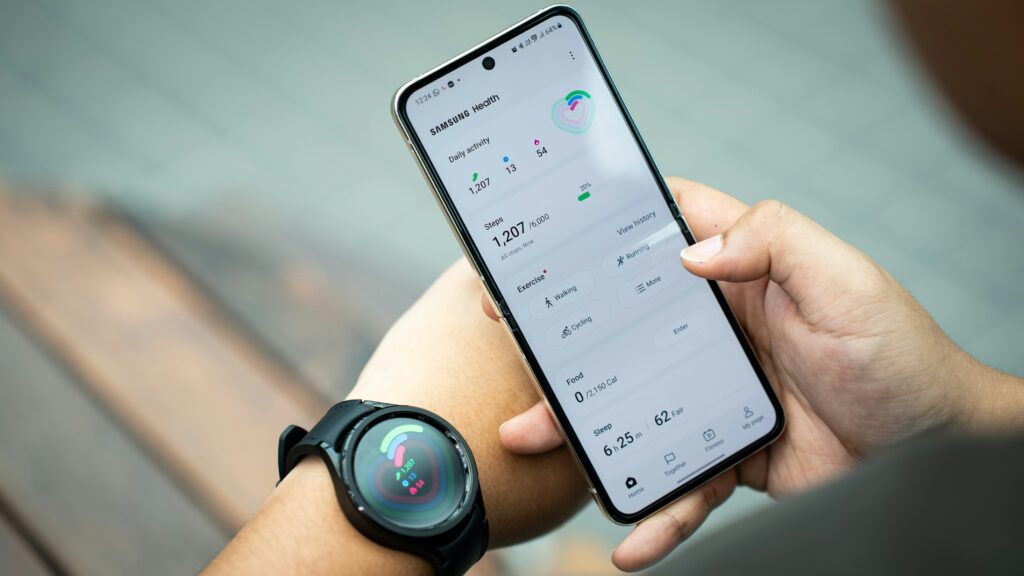
AI-driven health coaches represent an innovative intersection of technology and personal well-being. These digital assistants utilize sophisticated algorithms and data analytics to assist users in achieving their health goals. At the core of these systems lies large language models (LLMs), which are designed to analyze vast amounts of biometric data, ranging from daily activity levels to nutrition intake and sleep patterns.
The functioning of AI-driven health coaches involves a comprehensive approach to health assessment. They gather data from various biometric tracking devices, such as wearables and health apps, which continuously monitor metrics like heart rate, calorie consumption, step count, and more. Once this data is collected, LLMs take center stage by processing the information to identify patterns, trends, and anomalies that may indicate underlying health issues or lifestyle inefficiencies.
Furthermore, LLMs are equipped with the capabilities to generate personalized recommendations tailored to each individual’s health profile. For instance, if a user shows signs of insufficient physical activity, the AI coach can suggest targeted workout routines that align with the individual’s fitness level. This means that every recommendation and interaction is based not just on general guidelines but on highly personalized insights drawn from the user’s own data.
The integration of LLMs in health coaching not only enhances the precision of advice offered but also significantly boosts user engagement. By offering actionable insights and continuous feedback, AI-driven health coaches empower users to take ownership of their health journeys. The advantages of utilizing AI in this capacity are numerous, including increased accessibility to health advice, real-time adjustments based on biometrics, and a supportive environment where users can track their progress effectively.
How LLMs Analyze Your Daily Biometrics
Large language models (LLMs) have emerged as powerful tools for analyzing daily biometrics, providing valuable insights into an individual’s health and wellness. These models are capable of processing various types of biometric data, including heart rate, sleep patterns, activity levels, and even stress responses. By leveraging advanced algorithms and machine learning techniques, LLMs transform raw data into actionable intelligence that health coaches can use to guide their clients.
One commonly collected biometric is heart rate, which serves as an indicator of cardiovascular health and fitness levels. Through continuous monitoring of heart rate data, LLMs can identify trends and anomalies, enabling predictions about potential health risks. Similarly, sleep patterns, assessed through metrics like duration and quality, are crucial for understanding overall well-being. LLMs analyze this data to determine factors affecting sleep and offer customized recommendations to improve rest quality.
Activity levels are another essential component of health analytics. By aggregating data from wearables and mobile devices, LLMs can assess an individual’s physical activity throughout the day. Through sophisticated algorithms, these models interpret the data, identify patterns, and suggest lifestyle modifications that promote greater physical fitness. For instance, a health coach may receive insights on how daily exercise correlates with improvements in heart rate variability or sleep quality, allowing for tailored coaching strategies.
Real-world applications of LLMs in health coaching demonstrate the efficacy of these tools. For example, a health coach could utilize an LLM to analyze user-specific data collected from fitness trackers, producing personalized recommendations that reflect an individual’s lifestyle and goals. Furthermore, LLMs can facilitate ongoing adjustments based on the client’s progress, ensuring the coaching provided remains relevant and effective.
Benefits of Using AI-Driven Health Coaches
AI-driven health coaches are revolutionizing personal health management through their ability to offer enhanced personalization. By analyzing individual daily biometrics, these advanced systems tailor health advice that aligns with users’ specific needs and preferences. Unlike traditional health guidance, which may apply generic recommendations, AI health coaches utilize machine learning algorithms to assess data patterns and provide actionable insights. This leads to highly customized health plans that address individual goals, preferences, and previous outcomes, ensuring users receive advice that is both relevant and effective.
Additionally, real-time monitoring of health metrics is one of the significant advantages these AI-driven platforms provide. Users benefit from continuous tracking of vital signs, physical activity, and dietary intake, allowing for swift adaptations to health plans as necessary. This immediacy empowers users to make informed decisions about their health without waiting for periodic check-ins or lab results. Consequently, individuals can respond more effectively to fluctuations in their health status, significantly enhancing overall well-being.
A further benefit of AI health coaches lies in their ability to improve motivation and adherence to health goals. By setting targets and providing reminders, these systems help users stay focused and committed to their fitness or dietary initiatives. Moreover, AI-driven insights can positively reinforce good behaviors by showcasing progress and celebrating achievements, fostering a consistent commitment to health improvement.
Finally, AI-driven health coaches excel at identifying trends in health data that might otherwise go unnoticed. Through data analysis, they can reveal lifestyle patterns that affect health outcomes, enabling proactive interventions before issues become serious. By facilitating a comprehensive understanding of health dynamics, AI-driven health coaches contribute significantly to effective health management.
Challenges and Future of AI Health Coaching
The field of AI health coaching presents a number of challenges that must be addressed to ensure its efficacy and reliability. One of the primary concerns revolves around data privacy. With the increase in health information being collected by AI systems, patients are often apprehensive about how their biometrics will be utilized. Ensuring compliance with regulations such as the Health Insurance Portability and Accountability Act (HIPAA) in the United States is crucial for safeguarding personal data.
Another significant challenge lies in the collection of accurate and consistent data. Many health coaching applications rely on user inputs and device data to deliver insights. However, inaccuracies in user-recorded information or sensor data may lead to misguided or ineffective health advice. Therefore, establishing reliable methods for data verification and quality assessment is essential to enhance the credibility of the AI coaching experience.
Moreover, the potential for the dissemination of misinformation presents a substantial hurdle. AI systems can sometimes generate suggestions based on flawed algorithms or incomplete data sets, which can mislead users about their health. To prevent this, it is imperative to integrate robust machine learning models that are capable of providing evidence-based recommendations while being regularly updated to reflect the latest scientific guidelines.
Looking towards the future, advancements in technology hold promise for improving AI-driven health coaching. Innovations in artificial intelligence and machine learning will likely facilitate more sophisticated analysis of biometric data, leading to better personalized coaching strategies. Furthermore, the integration of AI health coaches with existing healthcare systems may enhance collaborative efforts among healthcare professionals, augmenting patient care management. With ongoing enhancements, the future of AI health coaches could usher in an era of tailored and effective health management solutions.
LEAVE A COMMENT