Zone 2 Training: The Secret to Mitochondrial Density and Fat Oxidation
As an Amazon Associate I earn from qualifying purchases.
If you follow Biohack Report, you know that high-intensity intervals (HIIT) often get the glory. But for those looking to build a resilient metabolic foundation, Zone 2 Training is the true “limitless” pill of the fitness world.
While HIIT targets your top-end power, Zone 2 focuses on the literal engines of your cells: the mitochondria. By staying in this specific aerobic window, you force your body to optimize fat oxidation and stimulate mitochondrial biogenesis—the creation of new, healthy power plants within your muscles.
Why Zone 2 is a “Metabolic Reset”
At lower intensities, your body relies on Type I (slow-twitch) muscle fibers, which are packed with mitochondria. Training here does two critical things:
- Increases Mitochondrial Density: You aren’t just making your current mitochondria stronger; you’re growing more of them.
- Improves Lactate Clearance: Zone 2 teaches your body to use lactate as a fuel source rather than letting it accumulate and cause fatigue.
For the modern biohacker, this translates to better metabolic flexibility—the ability to switch seamlessly between burning carbs and burning fat.
How to Find Your Zone
Zone 2 is often described as “conversational pace.” You should be able to speak in full sentences, but you shouldn’t be able to sing. Technically, it sits at roughly 60–70% of your maximum heart rate.
| Method | What to Look For |
| The Talk Test | You can talk, but you’d prefer not to. |
| Heart Rate | 180 minus your age (The Maffetone Method) or 65% of Max HR. |
| Lactate Monitor | Between 1.5 and 2.0 mmol/L (The gold standard for pros). |
The Biohacker’s Gear List
Precision is key. If you go too hard, you slip into Zone 3 and lose the specific mitochondrial benefits. Here are the tools to keep you locked in:
1. Precision Heart Rate Monitoring
Wrist-based sensors often lag during steady-state cardio. For Biohack Report accuracy, a chest strap is non-negotiable.
- Polar H10 Heart Rate Sensor: Widely regarded as the most accurate consumer-grade strap on the market. It connects to almost any app or equipment via Bluetooth and ANT+.
- Garmin HRM-Pro Plus: Ideal if you are already in the Garmin ecosystem. It tracks advanced “running dynamics” in addition to ultra-precise heart rate data.


2. The Ideal Home Setup
The best Zone 2 workout is the one you can sustain for 45–90 minutes without distraction.
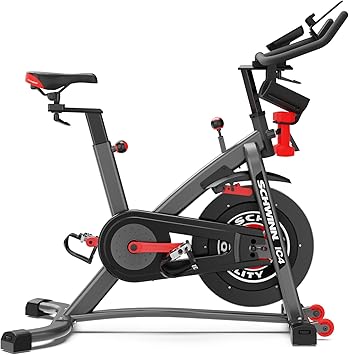
- Schwinn IC Indoor Cycling Bike: A favorite for biohackers because it’s quiet, has magnetic resistance, and connects to apps like Zwift or Peloton without the locked-in subscription fee.
- Concept2 RowErg: If you want a full-body Zone 2 session, the “gold standard” rower provides the most consistent resistance for tracking output power.

3. Mitochondrial Support (Supplements)
Pair your training with compounds that support cellular energy production:
- CoQ10 (Ubiquinol): A critical component of the electron transport chain within your mitochondria.
- PQQ (Pyrroloquinoline Quinone): Known to stimulate mitochondrial biogenesis, making it the perfect “stack” for Zone 2 days.
- L-Carnitine: Assists in the transport of fatty acids into the mitochondria to be burned for fuel.
The Biohack Report Protocol
To see results, aim for 3 to 4 sessions per week, each lasting at least 45 minutes. It takes about 20–30 minutes for your body to fully mobilize fat stores, so the “magic” happens in the second half of the workout.
Pro Tip: Do your Zone 2 training fasted or after a low-carb meal to further encourage your mitochondria to prioritize fat oxidation.
What’s your current resting heart rate? Have you noticed a drop since starting Zone 2?
LEAVE A COMMENT