
Caspase-1 Inhibitor Reduced Lung Tumors in Mice, MIT Study Finds
An MIT-led preclinical study found that blocking the inflammatory enzyme caspase-1 reduced the number and size of lung tumors in genetically engineered mice. The researchers also detected higher caspase-1 activity in a small set of human lung-fluid samples from patients with lung cancer, but the proposed preventive use has not yet been tested in people.
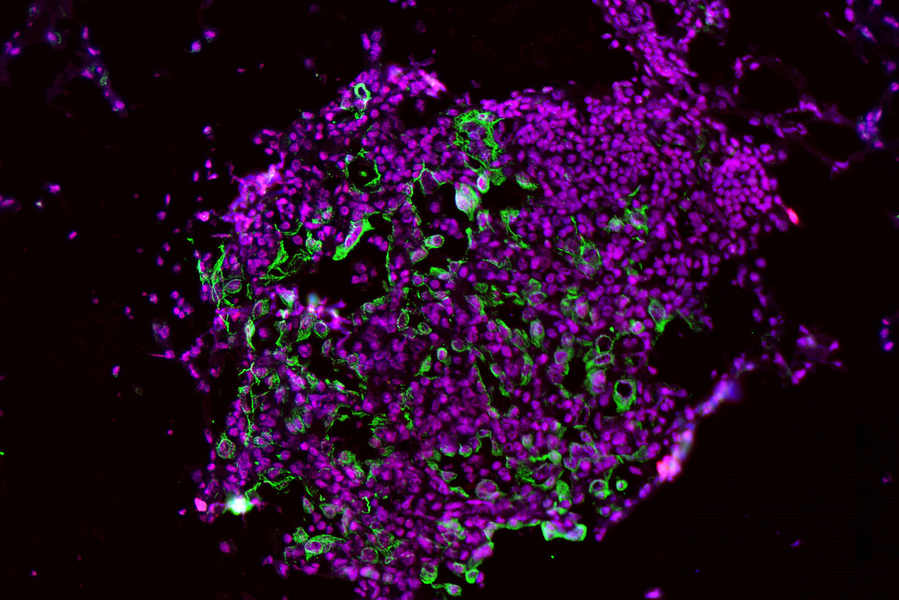
An MIT-led study has identified caspase-1 as a potential target for lung cancer prevention after an inhibitor of the inflammatory enzyme reduced tumor development in genetically engineered mice. The findings, published August 14 in Science Advances, support further investigation of a drug that has already been tested in human trials for rheumatoid arthritis and other diseases—but not yet as a lung cancer preventive.
The researchers used a mouse model engineered to activate cancer-causing mutations in the p53 and Kras genes while also stimulating inflammation in the lungs. The design allowed the team to examine changes before tumors became detectable, modeling an elevated-risk setting rather than treatment of established cancer.
In untreated mice, caspase-1 activity was especially high in developing lung tumors and was much lower in nearby healthy tissue. Mice treated with an antibody that blocks the inflammatory molecule IL-1 beta developed fewer tumors and showed reduced caspase-1 activity, linking the enzyme to the same inflammatory pathway.
The team then tested a small-molecule caspase-1 inhibitor, an IL-1 beta-blocking antibody, or both. Mice receiving either treatment developed tumors that were smaller and less numerous than those in untreated animals. Among mice given both drugs, nearly 20 percent did not develop tumors during the study.
The findings build on an earlier clinical trial called CANTOS, which was designed to study cardiovascular disease rather than lung cancer. That trial produced an unexpected signal of lower lung cancer rates among some participants who received an antibody targeting IL-1 beta. Subsequent trials found little effect in people with established lung cancer, while researchers have continued to examine whether inflammation-targeting treatments might help prevent disease progression in people at high risk.
The MIT researchers used nanosensors developed in Sangeeta Bhatia’s laboratory to identify active proteases—enzymes that cut other proteins—in the lungs. The sensors indicated that caspase-1 was active during early tumor development. In a separate analysis conducted with researchers at Harvard Medical School and Mass General Brigham, the team found higher caspase-1 activity in a small number of lung-fluid samples from patients with lung cancer than in samples from healthy donors with a similar smoking history.
That human finding was an observational sample analysis, not evidence that inhibiting caspase-1 prevents cancer in people. The preventive results came from mice, and the researchers have not yet reported a clinical trial of the inhibitor for lung cancer. They hope to test the approach in people at elevated risk, potentially using biomarkers to identify individuals who might respond to inflammation-targeting treatment. The researchers also noted that caspase-1 inhibitors can be taken orally, unlike the antibody treatment, which requires intravenous administration.
Reporting Note
Biohack Report distinguishes preliminary findings, clinical evidence and commercial claims whenever the available reporting supports that distinction. Coverage is informational and is not medical advice.