All Topics

Topic

Sleep

Sleep science, circadian biology, sleep tracking, recovery, and technologies designed to measure or improve sleep.

10 published reports
SleepResearch

Survey Finds Work, Family Responsibilities Often Take Priority Over Sleep

A survey of 2,007 U.S. adults found that many people rank work, school schedules and household responsibilities above getting enough sleep. The findings arrive ahead of the back-to-school season, when earlier mornings, activities and homework may make established sleep routines harder to maintain.

Read Report
SleepNutrition

Human study maps region-specific links between gut microbes and brain chemistry

A cross-sectional study of 61 healthy young women found that the gut microbiome’s genetic capacity for certain metabolic pathways was associated with GABA, glutamate and excitatory/inhibitory balance in distinct brain regions. The findings also linked some microbial pathways with anxiety, depressive symptoms and sleep quality, but did not establish cause and effect.

Read Report
Sleep

Teen Sleep Schedule Mismatch Linked to Slightly Higher Anxiety

A systematic review and meta-analysis of adolescent sleep research found a small but consistent association between greater “social jet lag”—different sleep schedules on weekdays and weekends—and higher reported anxiety. The analysis combined 12 studies involving more than 230,000 participants, but it does not establish that irregular sleep timing causes anxiety.

Read Report
SleepResearch

Phase 3 Trial Finds AD109 Reduced Sleep Apnea Breathing Events by 44%

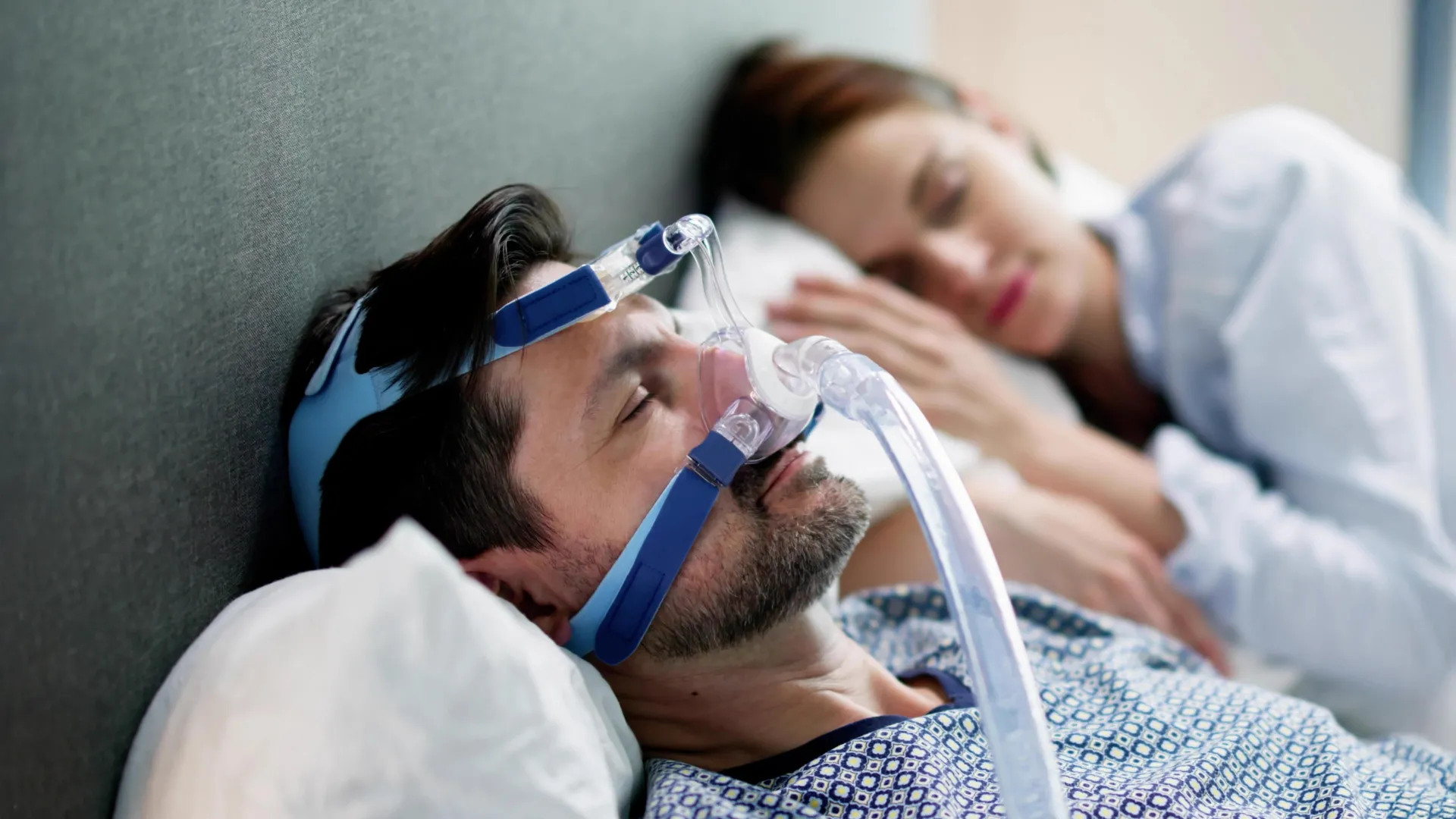
In a six-month randomized phase 3 trial involving 646 adults who could not tolerate or had declined CPAP, the once-nightly drug AD109 reduced apnea-hypopnea index scores by about 44%, compared with an 18% reduction with placebo. The treatment also improved several measures of nighttime oxygen disruption, but side effects led about 21% of participants to discontinue it.

Read Report
SleepNutrition

Stroke Rehab Can Begin Early and Continue Long After Hospital Discharge

Updated American Heart Association/American Stroke Association guidance highlights rehabilitation that may begin within days of a stroke and address movement, communication, cognition, sleep, nutrition and mental health. The guidance also emphasizes that recovery is often a long-term process involving survivors, caregivers and a multidisciplinary care team.

Read Report
SleepBrain & Cognition

Study Links Learning-Stage Theta Activity to Memory Consolidation During Sleep

In a study of 31 participants, EEG patterns recorded while people learned object-word pairs were associated with which pairs they later remembered after sleep. The findings point to theta oscillations as a possible neural marker for experiences selected for sleep-dependent memory consolidation, although the study tested memory only over a two-hour period.

Read Report
SleepResearch

Study Tests a Caffeine-Nap Strategy for Drivers With Treated Sleep Apnea

A Scientific Reports study involving 21 drivers with obstructive sleep apnea found that two coffees improved alertness and reduced driving errors more than one after participants were limited to four hours of sleep. Adding a 15-minute nap produced modest additional benefits, while extending the nap to 30 minutes offered no observed advantage.

Read Report
SleepHealth Tech

Sleep Spindles Linked to Slower Cognitive Decline in Alzheimer’s Study

A three-year study of 60 adults with mild to moderate Alzheimer’s disease found that higher cerebrospinal-fluid orexin levels were associated with cognitive decline and disease-related biomarkers. Stronger sleep spindles and slow oscillations during nonrapid eye movement sleep appeared to weaken that relationship, although the findings do not establish that sleep brain waves prevent disease progression.

Read Report
SleepBrain & Cognition

Sleep Research Challenges the One-Size-Fits-All Eight-Hour Rule

A narrative review in Brain Medicine highlights evidence that optimal sleep duration varies among people and may often fall below eight hours. Research also suggests that sleep timing, regularity and total sleep across the week are important—but the health effects of longer sleep remain difficult to interpret.

Read Report
SleepFitness & Recovery

Brief Exercise or a Nap May Protect Memory After Sleep Loss

A McGill University-led study of 54 healthy young adults found that either 20 minutes of moderate-to-vigorous cycling or a 90-minute nap was associated with better image-memory performance after 30 hours without sleep. Brain recordings suggested the two interventions supported memory through different neural processes, but neither replaced sleep.

Read Report

Keep Exploring

More Biohack Report topics.

All Topics