Phase 3 Trial Finds AD109 Reduced Sleep Apnea Breathing Events by 44%
In a six-month randomized phase 3 trial involving 646 adults who could not tolerate or had declined CPAP, the once-nightly drug AD109 reduced apnea-hypopnea index scores by about 44%, compared with an 18% reduction with placebo. The treatment also improved several measures of nighttime oxygen disruption, but side effects led about 21% of participants to discontinue it.
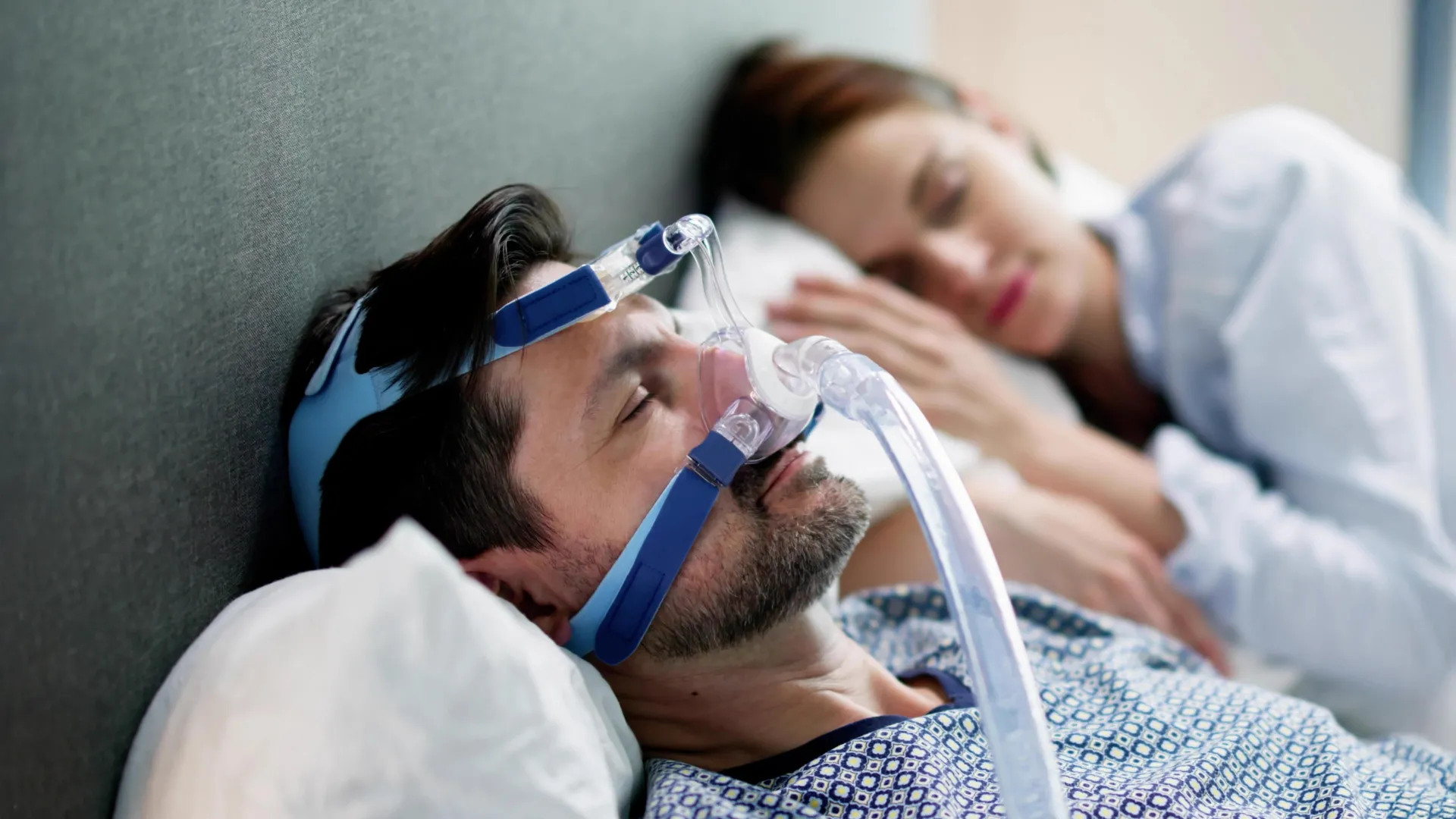
A once-nightly oral medication reduced breathing interruptions in adults with obstructive sleep apnea (OSA) in a randomized phase 3 trial, according to findings presented at the 2026 ATS International Conference and reported by ScienceDaily from American Thoracic Society materials.
The drug, AD109, combines aroxybutynin and atomoxetine. It is designed to address neuromuscular factors involved in airway collapse during sleep by supporting the throat muscles that help keep the airway open. The trial, called SynAIRgy, was published in the American Journal of Respiratory and Critical Care Medicine.
Researchers conducted the six-month study at 69 sites in the United States and Canada. The 646 participants had mild to severe OSA and had either declined CPAP or been unable to tolerate it. Continuous positive airway pressure remains the standard treatment for OSA, but the study focused on people who were not using it.
Among participants who received AD109, the apnea-hypopnea index (AHI)—the number of breathing interruptions per hour of sleep—fell by about 44%. The placebo group had an 18% reduction. AD109 was also associated with improvements in the oxygen desaturation index, which tracks nighttime drops in blood oxygen, and hypoxic burden, a measure of oxygen deficiency during sleep.
More than 40% of participants improved enough to move into a less severe OSA category, while 18% achieved complete disease control, according to the reported trial results. Benefits were reported across participants with different levels of disease severity and different body types.
The most frequently reported side effects were dry mouth, nausea, insomnia, and difficulty urinating. Researchers described the side effects as mild and expected, but approximately 21% of participants stopped treatment because of them. That discontinuation rate is an important part of interpreting the trial’s overall results.
The findings provide clinical evidence for AD109 in a population unable or unwilling to use CPAP, but they do not establish that the drug can replace CPAP for everyone with OSA. The trial measured breathing and oxygen-related outcomes over six months, rather than demonstrating longer-term effects.
AD109 has received Fast Track designation from the U.S. Food and Drug Administration. Apnimed has submitted a New Drug Application, and the company expects a potential FDA action date in the first quarter of 2027 if the application is accepted for review. Fast Track designation and an application do not constitute FDA approval.
Reporting Note
Biohack Report distinguishes preliminary findings, clinical evidence and commercial claims whenever the available reporting supports that distinction. Coverage is informational and is not medical advice.