
Cell Study Links High Glucose to a Thicker Cancer-Cell Sugar Shield
A study from Sanford Burnham Prebys and collaborating institutions found that elevated glucose thickened the glycocalyx—a sugar-rich coating on cancer cells—under laboratory conditions designed to resemble the tumor environment. The effect depended on HSF1, suggesting a possible research path for making cancer cells more visible to immune defenses, though no human treatment benefit was established.
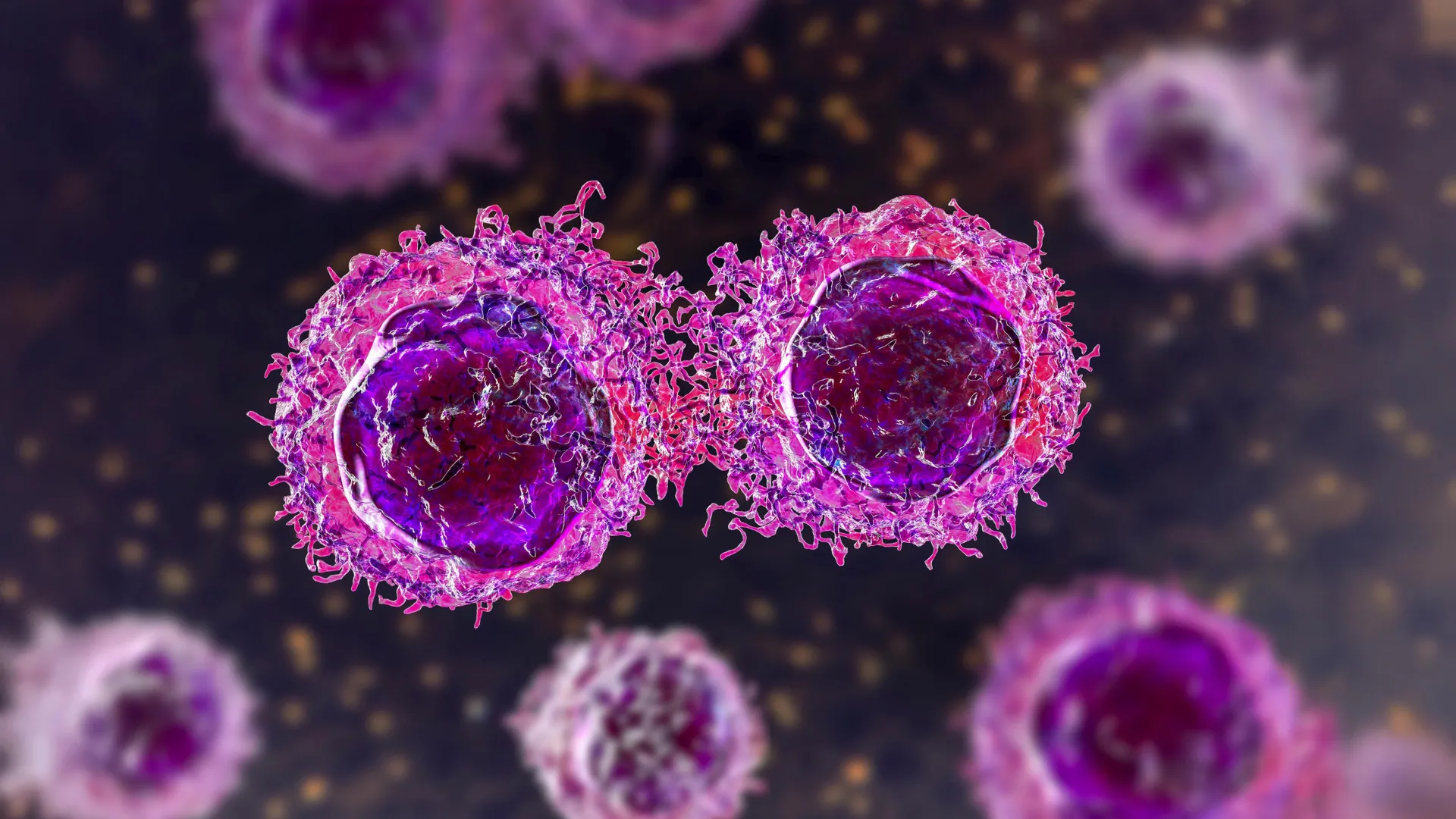
Cancer cells may become harder for the immune system to detect when exposed to high glucose in a laboratory environment that mimics conditions inside tumors, according to research from Sanford Burnham Prebys Medical Discovery Institute and collaborating institutions. The study, published August 7, 2026, in Science Advances, identified a sugar-rich surface layer and the stress-response protein HSF1 as parts of the process.
The layer, called the glycocalyx, is made from carbohydrates attached to proteins or lipids. In cancer cells, a dense glycocalyx can act as a form of camouflage, making it more difficult for immune cells to recognize and destroy the cells.
Researchers led by Kevin Tharp, PhD, grew cells under different combinations of glucose levels, culture media and physical stiffness. Some environments were designed to approximate the rigidity surrounding primary tumors, while softer settings more closely represented normal tissue. The team also compared conventional laboratory media with a formulation intended to better reflect the nutrient composition of the human body.
Elevated glucose increased the thickness of the glycocalyx only when the cells were grown in the more physiologically representative medium. Hyperglycemia also changed the composition of the glycoconjugates that make up the coating, indicating that the surrounding nutrient environment influenced how the cancer cells built their surfaces.
Further experiments pointed to HSF1 as a key regulator. The protein is associated with cellular stress responses, and the researchers found that its presence or absence altered the glycoconjugates produced by the cells. Under tumor-like conditions, high glucose enhanced the cells’ ability to evade immune detection when HSF1 was present.
The findings suggest that blocking HSF1 or related processes could eventually be investigated as a way to reduce the glycocalyx and expose cancer cells to immune attack. Tharp said the mechanism may be relevant to hyperglycemia associated with metabolic syndrome and type 2 diabetes, conditions the report describes as involving elevated blood sugar.
However, the evidence described here comes from cell experiments conducted under modeled environmental conditions. It does not demonstrate that high blood sugar causes immune evasion in people, nor does it show that targeting HSF1 improves cancer treatment or immunotherapy outcomes. The researchers presented HSF1-targeting drugs as a potential drug-discovery direction rather than an established therapy.
Reporting Note
Biohack Report distinguishes preliminary findings, clinical evidence and commercial claims whenever the available reporting supports that distinction. Coverage is informational and is not medical advice.