PhysioNet’s 25-Year Evolution Made Shared Clinical Data a Research Standard
A platform that began with digitized heart recordings collected by MIT and Beth Israel Hospital researchers in the 1970s now hosts hundreds of biomedical databases. PhysioNet was cited by more than 15,000 scientific publications last year and has registered users in over 180 countries, with its data increasingly supporting health-care AI research.
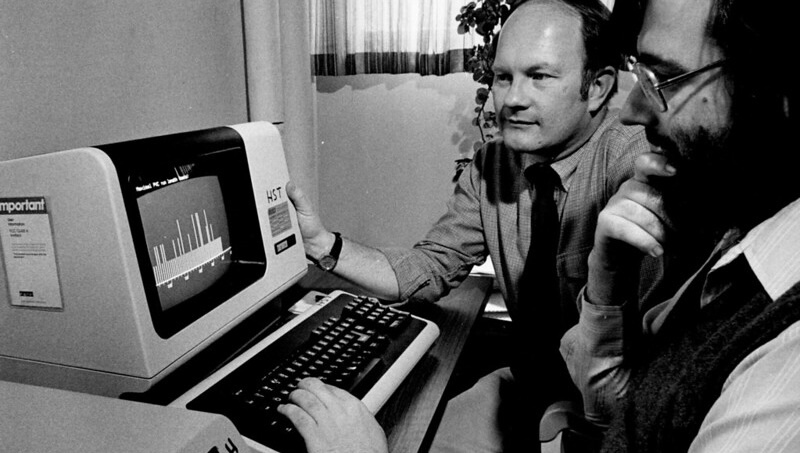
PhysioNet, a biomedical data platform founded in 1999, has grown from a collection of digitized heart recordings into a global repository for clinical data, software, and artificial intelligence research, according to MIT News. The platform’s origins trace back to a collaboration between MIT and Boston’s Beth Israel Hospital that began in 1975.
Researchers studying cardiac arrhythmias set out to digitize electrocardiogram recordings and share them beyond their own institutions. They built computers for the task, duplicated magnetic tapes manually, and produced more than 100,000 annotations. The recordings were completed in 1980 and were initially expected to serve fewer than a dozen academic and industry groups. Instead, the team mailed roughly 100 copies over the following decade.
That collection eventually became the first database in PhysioNet, which was established through the Harvard-MIT Program in Health Sciences and Technology as a repository for complex physiological signals. The platform’s distribution methods changed with technology, moving from mailed tapes to CD-ROMs and then to internet-based servers.
PhysioNet now hosts hundreds of databases and is used by researchers, manufacturers, and clinical decision-makers. MIT News reports that more than 15,000 scientific publications cited the platform last year, while users from more than 180 countries have registered. Its source code, like much of its data, is publicly available.
The platform also helped establish a model for preparing clinical information for research reuse. Tom Pollard, now PhysioNet’s technical director and a research scientist at MIT’s Laboratory for Computational Physiology, encountered the Medical Information Mart for Intensive Care, or MIMIC, while working on his doctoral research involving critically ill patients. The de-identified electronic health-record database became central to his dissertation, and he later joined MIT to help develop it further.
Pollard said hospital systems had generally been designed for immediate patient care and administration rather than for creating carefully curated research resources. Clinical information was often fragmented across systems, making it difficult and costly to use for broader studies. PhysioNet’s founders instead emphasized sharing research infrastructure as a way to reduce those barriers.
The platform’s scope has expanded well beyond its original focus on cardiovascular ECG data. It now includes electronic health records, imaging data, software, and AI models. MIT Professor Thomas Heldt said the user community has increasingly been dominated by researchers working in health-related machine learning and artificial intelligence, while continuing to serve biomedical signal-processing researchers.
Google DeepMind researcher Vivek Natarajan described PhysioNet and MIMIC as setting a continuing standard for clinical data resources. He and his colleagues have both used PhysioNet datasets and contributed data to the platform.
PhysioNet’s next planned development is a pilot system allowing users to annotate data and contribute their expertise. Its stewards also envision expanding the platform’s reach through an annual conference, continuing a data-sharing model that has broadened from signal processing and cardiovascular research to clinical informatics, critical care, and health-care AI.
Reporting Note
Biohack Report distinguishes preliminary findings, clinical evidence and commercial claims whenever the available reporting supports that distinction. Coverage is informational and is not medical advice.