Review Links 8–12 Weeks of Mindfulness Training to Better Heart-Health Measures
A review of 18 randomized controlled trials found that mindfulness, gratitude, optimism and related positive-psychology programs were associated with improvements in blood pressure, inflammation and other cardiovascular markers. The strongest results generally came from daily practice reinforced by weekly sessions, although the interventions and participants varied widely.
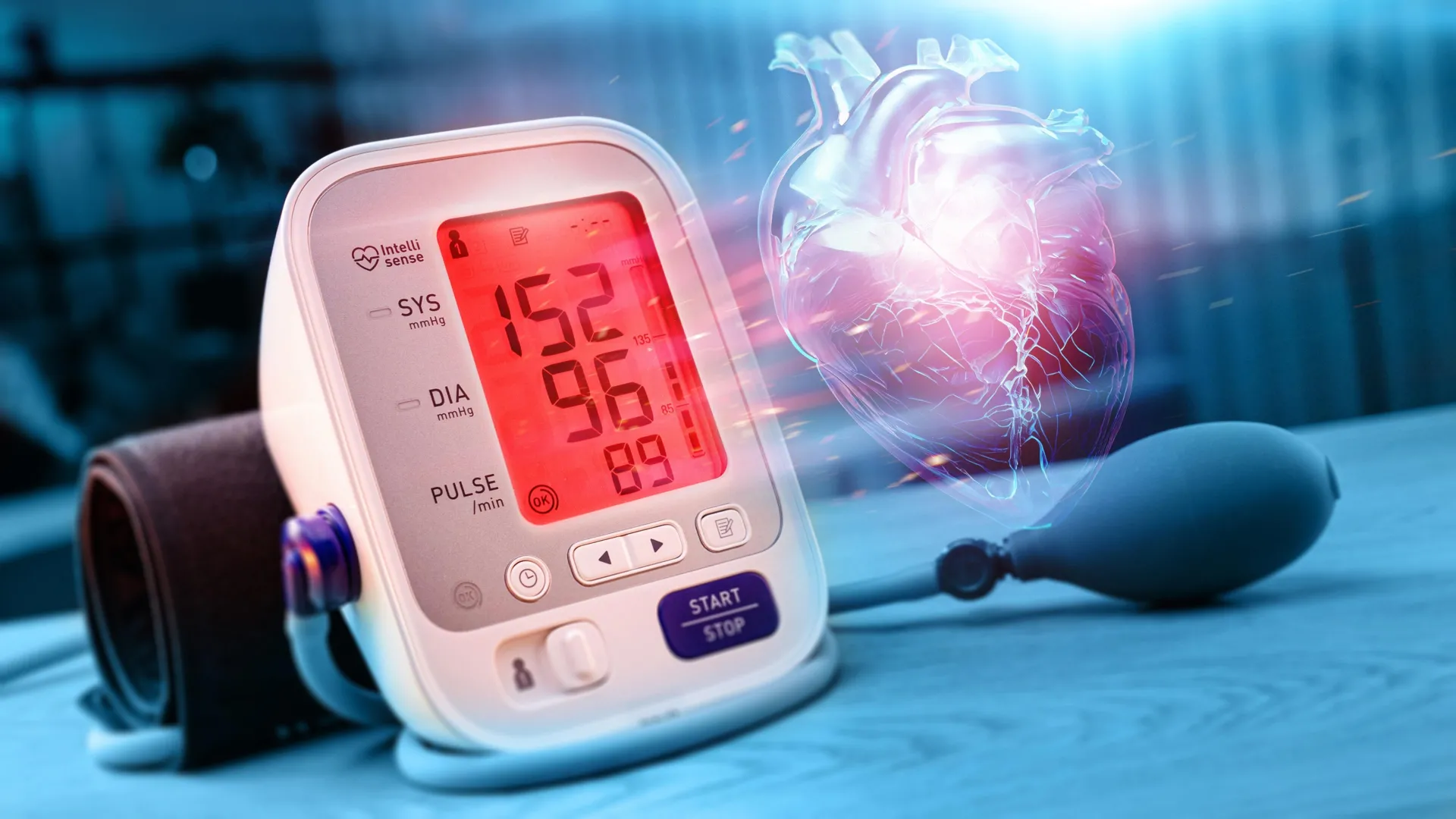
A review of 18 randomized controlled trials found that mindfulness and other positive-psychology programs were associated with improvements in blood pressure, inflammation and additional cardiovascular-health measures over roughly eight to 12 weeks.
The research, led by Rosalba (Rose) Hernandez of the University of Illinois Urbana-Champaign, examined interventions involving mindfulness, gratitude, optimism and related practices. The findings were published in Cardiology Clinics.
The studies used a range of formats, including phone sessions, journaling with brief check-ins, smartphone apps, text messages, in-person groups and hybrid programs. Most combined weekly instruction with activities completed at home, and the majority lasted between six and 12 weeks.
The participants were generally adults in their late 50s to mid-60s who already had elevated cardiovascular risk. Study groups typically included 50 to 200 people and included participants with conditions such as uncontrolled hypertension or heart failure.
In studies involving people with hypertension or those recovering from acute coronary syndromes, eight-week mindfulness-based programs were associated with lower systolic blood pressure and reduced levels of inflammatory markers including high-sensitivity C-reactive protein and fibrinogen. One 12-week digital intervention based on spirituality was associated with a 7.6-point reduction in cuff-measured systolic blood pressure and a 4.1-point reduction in central systolic pressure, a measurement taken in the aorta.
The review also examined how frequently participants engaged with the programs. Interventions with more frequent contact tended to produce more consistent physiological improvements. Hernandez said the pattern most consistently linked with changes in blood pressure, inflammation and endothelial function involved daily practice supported by weekly sessions over eight to 12 weeks.
Some programs appeared to influence behavior as well as measured health markers. An eight-week WhatsApp-based program combined weekly sessions with daily tasks and encouraged increased physical activity, healthier eating and adherence to prescribed medication. Another intervention using motivational interviewing was associated with an increase of 1,800 steps per day and improved medication adherence. The mindfulness programs improved physical activity and diet but did not show the same medication-adherence benefit, according to the review.
The findings do not establish that mindfulness alone caused the cardiovascular changes. The interventions differed substantially in their content and delivery, and some of the observed benefits were linked with behavioral changes such as diet and physical activity. The review also suggests that continued, less-intensive reinforcement may be needed to maintain behavioral changes after the initial program period.
The researchers said the results support greater attention to mental and behavioral health within cardiovascular prevention and care. The study assessed short-term changes in cardiovascular measures; it did not establish that these programs prevent heart attacks, extend lifespan or replace standard treatment.
Reporting Note
Biohack Report distinguishes preliminary findings, clinical evidence and commercial claims whenever the available reporting supports that distinction. Coverage is informational and is not medical advice.