MIT Researcher Tests CRISPR Gene Therapy for Rare Childhood Epilepsy
MIT PhD candidate Shannon Knight is in the early stages of developing a CRISPR-based gene therapy for SYNGAP1 haploinsufficiency, a rare genetic disorder linked to childhood-onset epilepsy and neurodevelopmental challenges. Preliminary testing in mice with a version of the disorder has shown improvements in seizures and behavioral traits, but the approach has not yet entered human trials.
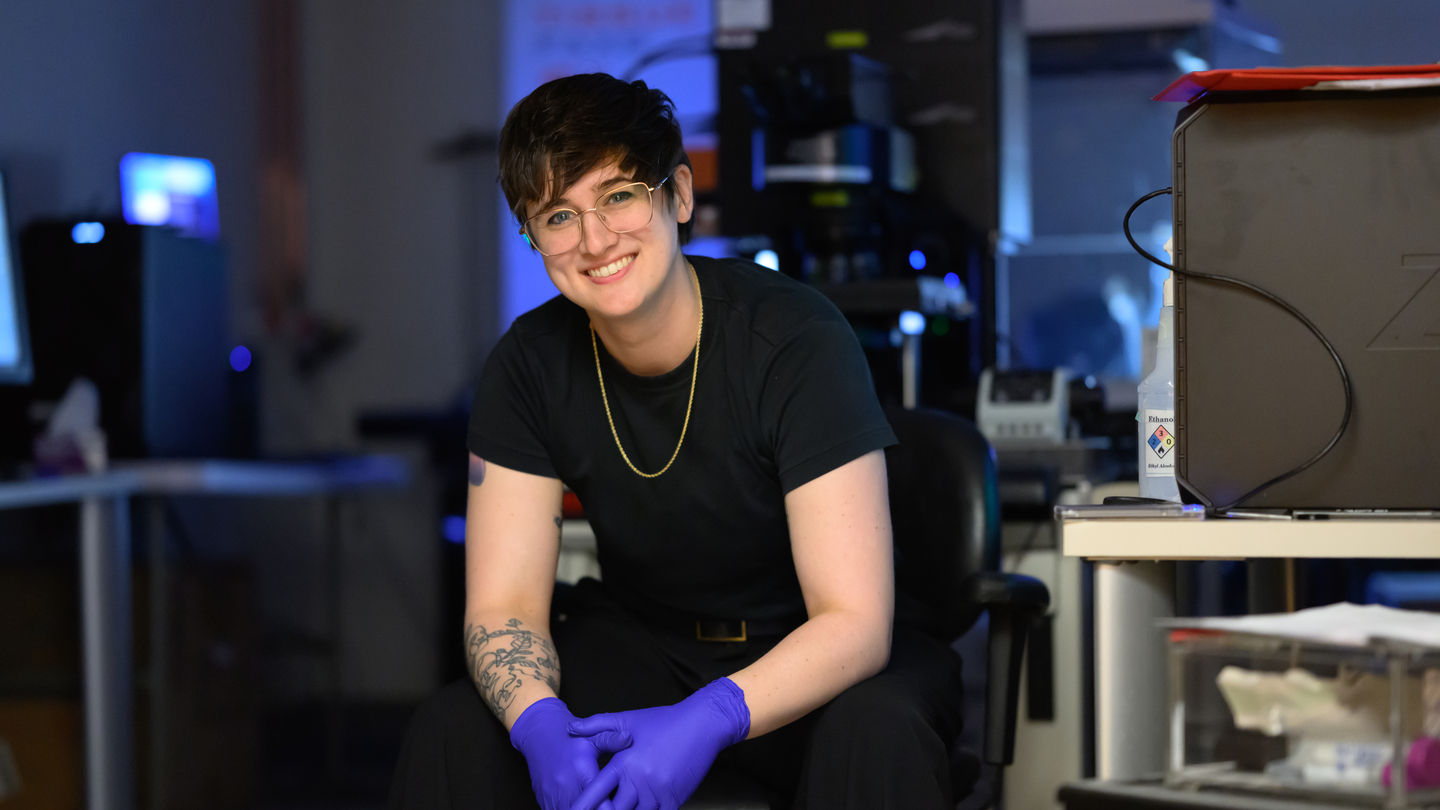
An MIT researcher is developing a CRISPR-based gene therapy aimed at the underlying genetic cause of SYNGAP1 haploinsufficiency, a rare disorder associated with childhood-onset epilepsy and neurodevelopmental difficulties. The work remains in its early testing phase, with preliminary findings reported in mice rather than people.
Shannon Knight, a sixth-year doctoral student in MIT’s Department of Brain and Cognitive Sciences and a researcher in the Guoping Feng lab at the McGovern Institute for Brain Research, is studying whether gene editing can address problems caused by mutations in the SYNGAP1 gene. The disorder occurs when one of the gene’s two copies is nonfunctional.
SYNGAP1 contributes to brain development and communication between neurons. Children with the disorder can experience seizures beginning as early as 4 months old, along with intellectual disabilities, eating and sleeping challenges, and movement difficulties. Existing approaches described by MIT News include anti-seizure medications and dietary restrictions. However, seizures can become resistant to medication as children grow older.
Knight’s research focuses on the gene itself rather than only managing symptoms. According to MIT News, testing the therapy in mice carrying a version of SYNGAP1 disorder has produced promising preliminary results, including improvements in seizures and the behavioral traits assessed in the study. The source does not provide details on the number of animals, the specific measurements used, or the duration of the testing.
The research builds on gene-therapy work in the Feng laboratory involving Phelan-McDermid syndrome, another rare genetic disorder. MIT News reports that the Phelan-McDermid therapy has progressed to clinical trials in patients. Knight’s stated goal is to take the SYNGAP1 program through a similar development process, eventually seeking U.S. Food and Drug Administration approval and beginning clinical trials.
That progression has not yet occurred for the SYNGAP1 therapy. The current evidence is preclinical, and findings in mice do not establish that the approach will work in humans or that it will be safe or effective in clinical use. Human testing and regulatory review would be required before those questions could be assessed.
The project is being accelerated by MIT’s Rare Brain Disorders Nexus, an initiative launched in fall 2025. Knight said her interest in the work is connected to the needs of people affected by disorders that receive less scientific attention because they are uncommon. MIT News reports that SYNGAP1 disorder affects approximately one to four of every 10,000 children.
Alongside her research, Knight has worked as a teaching assistant for Experimental Molecular Neurobiology and received MIT’s Goodwin Medal in 2025 for effective teaching. She plans to pursue postdoctoral research after completing her PhD and has said she would ultimately like to teach at a small liberal arts college.
Reporting Note
Biohack Report distinguishes preliminary findings, clinical evidence and commercial claims whenever the available reporting supports that distinction. Coverage is informational and is not medical advice.