
Study Links Very High Coffee Intake to Lower Bone Density in Older Women
A 10-year observational analysis of nearly 10,000 women aged 65 and older found that tea drinking was associated with slightly higher hip bone mineral density, while consuming more than five cups of coffee daily was linked to lower density. Moderate coffee intake—about two to three cups per day—was not associated with harm.
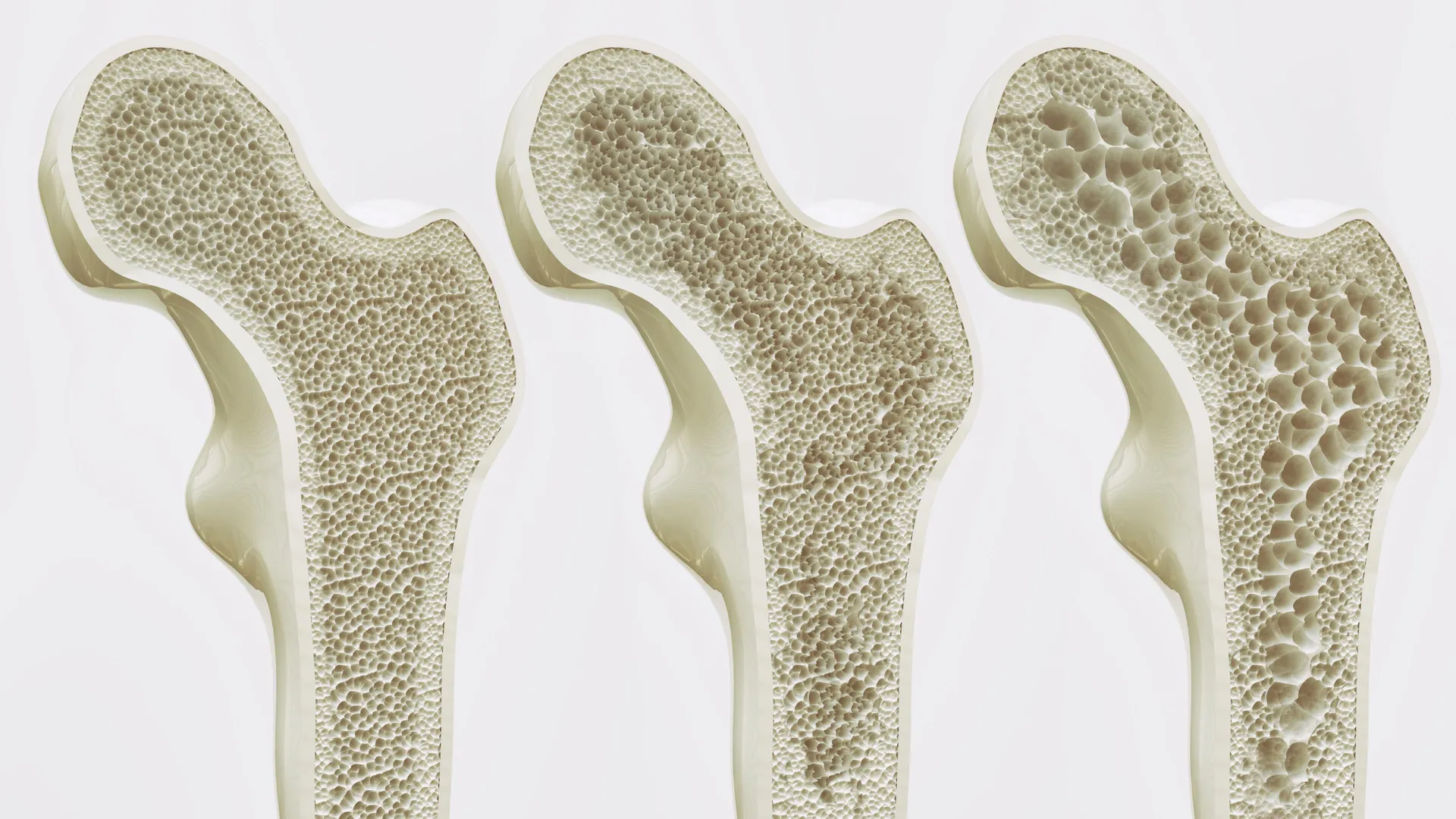
A 10-year study of nearly 10,000 women aged 65 and older found that very high coffee consumption was associated with lower bone mineral density, while tea drinking was linked to a small increase in hip bone density. Moderate coffee intake did not appear to be associated with poorer bone health.
Researchers at Flinders University analyzed data from the Study of Osteoporotic Fractures, repeatedly assessing participants’ coffee and tea consumption and measuring bone mineral density at the total hip and femoral neck. The findings were published in Nutrients.
Women who drank tea had slightly higher total hip bone mineral density than women who did not drink tea. The difference was statistically significant but modest. The researchers also reported that the apparent association between tea consumption and higher density was more pronounced among women with obesity.
Coffee consumption showed a different pattern. Intake of approximately two to three cups per day was not associated with harm to bone health. However, women who reported drinking more than five cups daily had lower bone mineral density. The association appeared stronger among women with higher lifetime alcohol consumption.
Because the study followed existing beverage habits rather than assigning participants to drink coffee or tea, it was observational. Its findings show relationships between consumption patterns and bone-density measurements, not that coffee caused bone loss or that tea directly strengthened bones. The reported differences were also small, and the researchers said they were not large enough to justify major changes in an individual’s daily habits.
The researchers proposed that catechins—compounds found in tea—might support bone formation or slow bone breakdown. They also pointed to laboratory research suggesting that caffeine can affect calcium absorption and bone metabolism, while noting that these effects are small and may be offset by adding milk. Those proposed explanations were not established as causal mechanisms by the study itself.
The analysis is relevant to aging and bone-health research because it examined changes over a decade and focused on hip and femoral-neck density, measurements closely linked to fracture risk. It does not establish that tea lowers fracture rates, that heavy coffee drinking causes osteoporosis, or that changing beverage consumption would prevent fractures. The researchers described calcium and vitamin D as cornerstones of bone health while characterizing beverage intake as a potentially modest factor.
Reporting Note
Biohack Report distinguishes preliminary findings, clinical evidence and commercial claims whenever the available reporting supports that distinction. Coverage is informational and is not medical advice.