
ESC Publishes First Broad Guidelines for Cardiac Rehabilitation
The European Society of Cardiology has published its first guidelines devoted specifically to cardiac rehabilitation, bringing together recommendations across multiple heart conditions. The guidance emphasizes individualized programs combining exercise, emotional support and education, while also addressing digital home-based care, access barriers and the role of patient preferences.
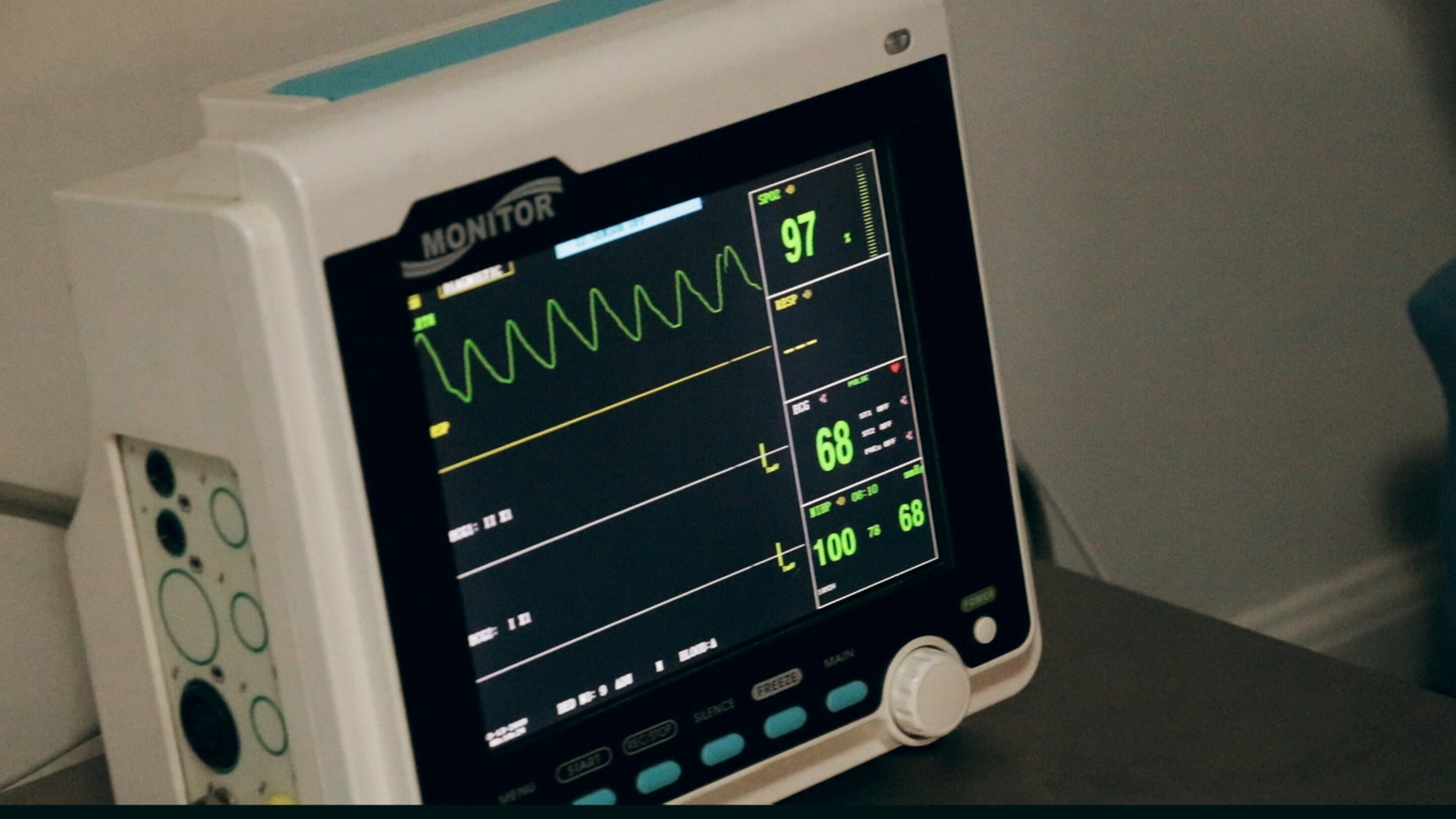
The European Society of Cardiology has published its first comprehensive guidelines focused specifically on cardiac rehabilitation, outlining how personalized programs can support recovery and well-being across a broader range of cardiovascular conditions. The guidelines appeared online in the European Heart Journal on Aug. 30, 2026, ahead of their presentation at ESC Congress 2026 on Aug. 31.
Previously, recommendations for rehabilitation were included within guidelines addressing particular situations, including heart attacks and heart failure. The new document brings together available evidence across different heart conditions and covers the potential benefits, core elements, delivery methods and practical implementation of rehabilitation programs.
The guidance describes cardiac rehabilitation as a multidisciplinary intervention that can include exercise training, emotional support and individualized education. Education may address sustainable lifestyle changes and the importance of taking prescribed medications. Rather than applying one standard program to everyone, the guidelines say plans should reflect each patient's needs, preferences and personal circumstances, with decisions made jointly by patients and health care professionals.
According to the European Society of Cardiology, rehabilitation is intended to support more than physical recovery. The guidelines describe potential improvements in heart health, general physical and mental well-being, confidence, independence and the ability to return to everyday life after a major cardiac event or operation. Patient representatives contributed to the task force that developed the recommendations, helping place the patient experience at the center of the document.
The recommendations continue to support cardiac rehabilitation after a heart attack and for people with heart failure. They also highlight potential benefits for people with congenital heart disease or atrial fibrillation, those who have undergone heart valve replacement, and cancer patients who received anticancer therapies associated with cardiac side effects.
Access remains a significant implementation challenge. The guidelines identify inadequate reimbursement as a barrier in some countries, even though the available evidence indicates that cardiac rehabilitation is cost-effective and can sometimes reduce costs through lower health care use and fewer years lived in poor health.
For selected patients, digitally enhanced home-based rehabilitation may offer another delivery option. These programs can include remote monitoring and teleconsultations with health care professionals, and the guidelines report that they may reduce health care costs while being more convenient than hospital-based programs.
The ESC has also made a patient version of the guidelines available. The document is intended to complement existing recommendations addressing specific cardiovascular conditions, rather than replace individualized care planning.
Reporting Note
Biohack Report distinguishes preliminary findings, clinical evidence and commercial claims whenever the available reporting supports that distinction. Coverage is informational and is not medical advice.